A case study reveals how Verusen drove MRO supply chain optimization for one of the world’s top 10 consumer packaged goods (CPG) companies. Operating in more than 10 countries, this organization faced critical challenges: limited inventory visibility, fragmented data, internal misalignment, and an urgent need to improve asset reliability, productivity, and cost efficiency.
Through its platform, Verusen delivered a clear and centralized view of materials. This transparency was key to fostering organizational alignment and establishing a structured reliability framework—enabling smarter procurement strategies and minimizing risk.
Key results achieved by the client:
$1M in working capital reduction in under 1 year
$30M in global working capital optimization within 24–36 months
$2M in verified inventory reduction in under 90 days
Many manufacturing plants struggle to manage MRO (Maintenance, Repair, and Operations) materials due to a lack of clear visibility into actual inventory levels. This often results in inefficiencies such as overstocking certain parts and shortages of others. The issue is further compounded by the loss of experienced personnel, making MRO inventory management a manual and error-prone process.
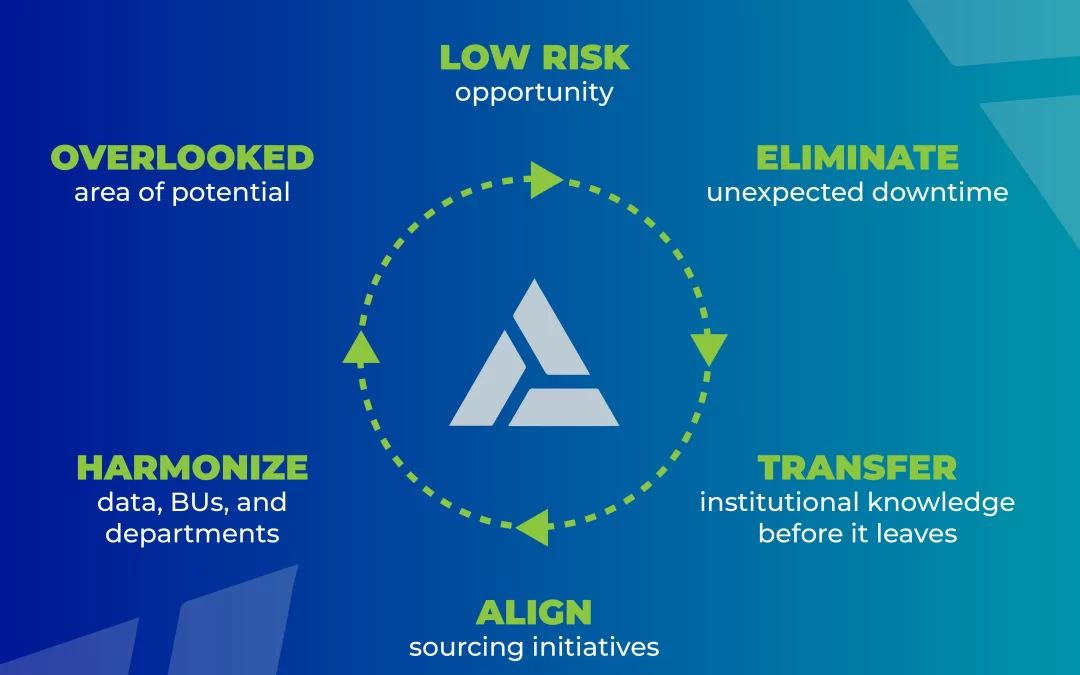
To address these challenges, there are technology solutions that use AI to enhance MRO strategies by providing greater visibility, decision support, and risk reduction. These tools help companies optimize their supply chains, lower costs, and improve overall efficiency through data harmonization and actionable insights.
The effectiveness of procurement teams depends on the reliability of their data. However, this data is often incomplete or inaccurate, leading to inefficiencies, wasted resources, increased risk, and missed cost-saving opportunities. To overcome these challenges, it’s essential to move away from traditional approaches and adopt modern, data-driven strategies that unlock the true potential of MRO data.
Key elements of data-driven operations:
Data reliability fosters alignment between procurement and operations
Intuition-based MRO management is unreliable
ERPs often lack the context needed for MRO decision-making
AI/ML-driven approaches enhance decision-making
Specialized software provides deeper insights from data
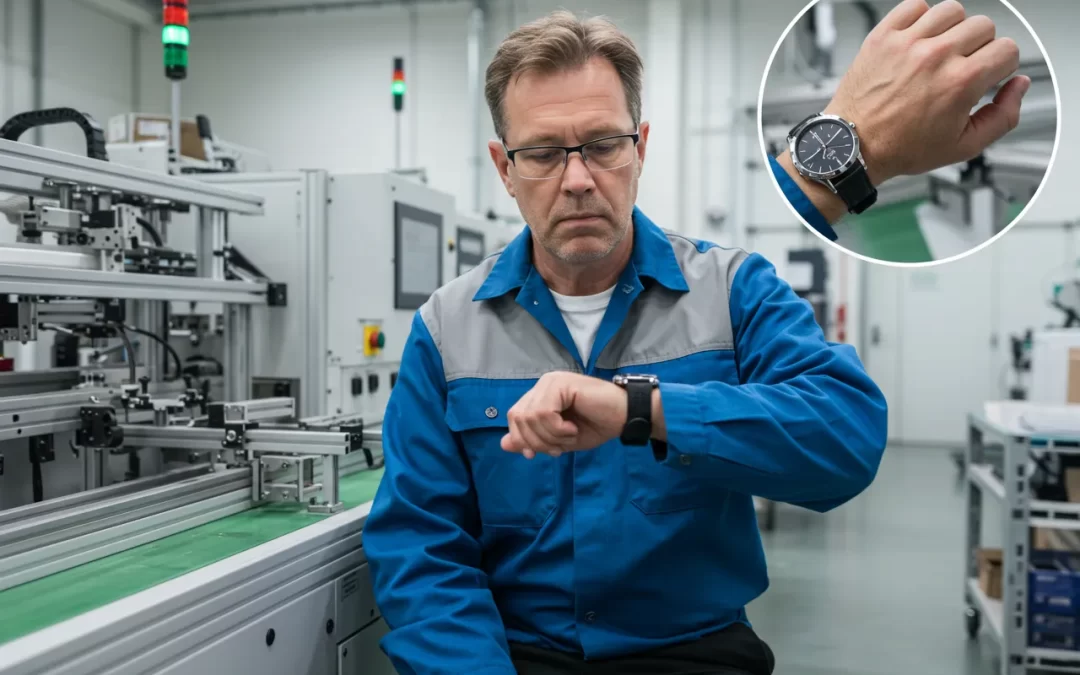
Unplanned downtime poses a major threat to operational efficiency and financial stability. Recent data provides crucial insights into the scale of this issue and its associated costs.
Specifically, unplanned downtime has been shown to cause significant losses. Manufacturing companies are particularly vulnerable, with 82% experiencing at least one unplanned outage in the past three years. The financial impact can be severe—losses may reach up to $10,000 per hour.
To accurately assess the total cost of downtime, it’s essential to consider MRO-related factors:
MRO is an excellent place to begin your transformation journey
Optimizing MRO inventory—which typically accounts for 5% to 30% of total spend—is essential to avoid duplicate purchases and material obsolescence. A smart approach to MRO management reduces risk, enhances procurement strategy, and provides advanced decision support. This leads to optimized working capital and greater supply chain maturity through strategic sourcing plans.
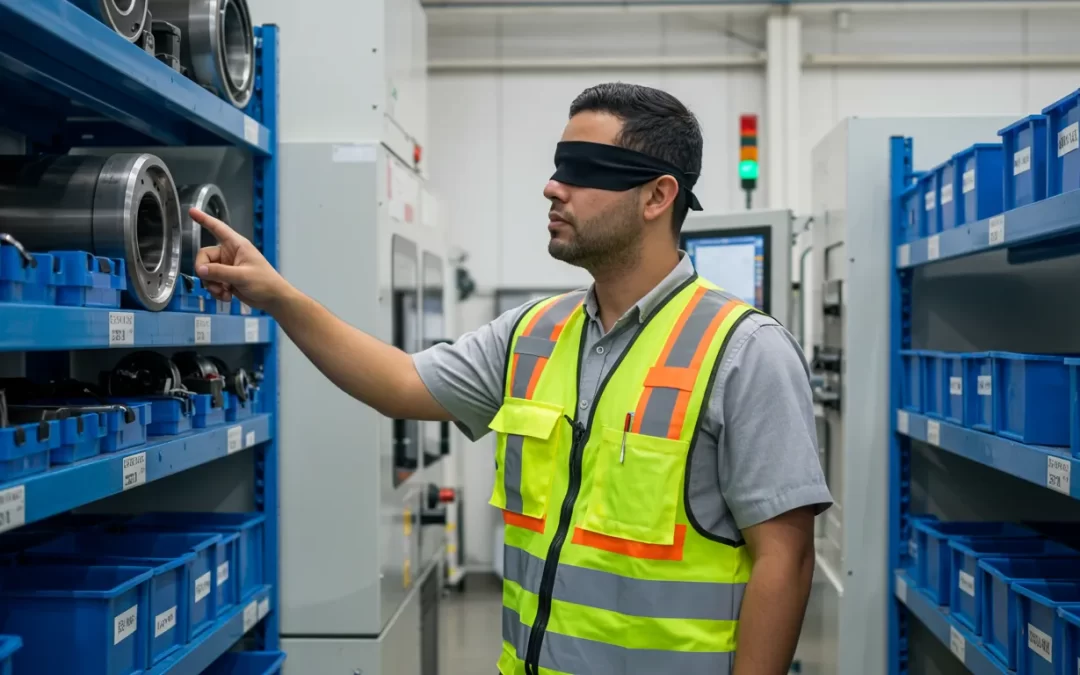
Have you ever looked for a part you knew you had, but it never showed up? Or worse, it did… but too late. Many maintenance teams face this daily—scattered data, duplicate inventory, and decisions made in the dark
Efficient management of Materials, Repairs, and Operations (MRO) is essential. Verusen’s MRO platform tackles this challenge using artificial intelligence to consolidate fragmented data across multiple systems. This gives maintenance teams a unified, clear view of inventory.
Verusen helps effectively identify duplicates, prevent potential shortages of critical materials, and align maintenance operations with purchasing strategies. The result: optimized working capital, a 10% to 20% reduction in inventory costs, and fewer emergency orders.