What is TPM in Maintenance and Why Does Your Plant Need It Right Now?

What is TPM in Maintenance and Why Does Your Plant Need It Right Now?

Have you heard about TPM (Total Productive Maintenance)? If you’re already in the world of industrial maintenance, you probably have. But, to be honest, not all experts fully grasp the concept. And if you haven’t implemented it yet, you may not realize how much it could improve your processes.

In a nutshell, TPM seeks to maximize the efficiency of machines and equipment, minimizing downtime and costs, while involving everyone within the plant in the process. But it’s not just about repairing equipment when it fails. No, TPM goes beyond that.

What is TPM?

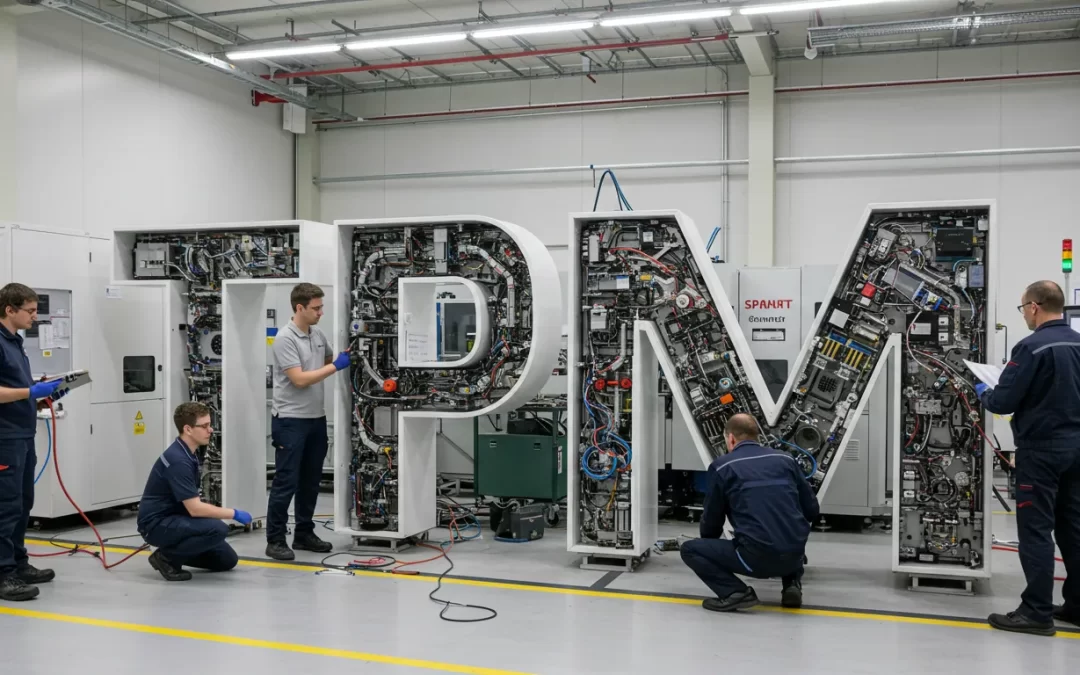
Total Productive Maintenance (TPM) is a management methodology that seeks to improve efficiency and productivity through the active involvement of all employees. From machine operators to the maintenance team, everyone is responsible for taking care of and improving the condition of the equipment.

Unlike traditional approaches, where maintenance is only the task of specialized personnel, TPM promotes the idea that everyone, from the bottom to the highest levels, can contribute to preventing failures and increasing the lifespan of equipment.

This approach is based on eight fundamental pillars to create a culture of preventive and productive maintenance in any industrial plant, and each one plays a crucial role in reducing losses and improving efficiency:

Autonomous Maintenance

Autonomous maintenance is based on giving machine operators the responsibility to perform simple preventive maintenance tasks. This includes activities such as cleaning, lubrication, basic equipment inspection, and identifying any anomalies that may arise.

Why is it important?

Autonomous maintenance seeks to empower operators to become the first defenders of the good condition of their machines. If operators perform basic maintenance tasks, such as removing dirt or ensuring that lubrication levels are adequate, machines tend to fail less. Additionally, operators, being closer to the equipment, are able to detect problems before they become serious failures.

Practical example: If you are the operator of a plastic injection molding machine, you could be responsible for checking oil levels and cleaning filters daily. If one day you notice a small leak, you can act immediately to prevent it from becoming a bigger problem, instead of waiting for a maintenance technician to take care of it.

Planned Maintenance

This pillar refers to the proactive planning of maintenance activities to avoid unwanted failures. Planned maintenance includes both preventive and predictive maintenance. Preventive maintenance consists of performing periodic tasks to ensure that equipment remains in optimal condition, while predictive maintenance focuses on monitoring the actual condition of equipment through sensors or data analysis to predict failures before they occur.

Why is it important?

Planned maintenance helps reduce unforeseen downtime. When maintenance tasks are planned and executed systematically, unexpected stops that affect production can be avoided. Additionally, maintenance work can be scheduled when the plant is less busy, minimizing the impact on production.

Practical example: In a food production plant, planned maintenance would include changing the conveyor belts every certain number of operating hours, before they are completely worn out. This reduces the risk of belts breaking unexpectedly during a production shift.

Focused Improvement (Kaizen)

Kaizen is a Japanese philosophy that means “continuous improvement.” This pillar focuses on making small improvements constantly, with the active participation of all employees. The idea is to look for opportunities to improve processes, equipment performance, and overall efficiency, not only when something goes wrong, but continuously.

Why is it important?

Small, constant improvements can have a big impact in the long run. Instead of waiting for a problem to become a major challenge, the Kaizen approach fosters a proactive mindset where all employees look for ways to do things more efficiently and effectively. This approach also promotes innovation, as everyone involved in the process can contribute valuable ideas.

Practical example: In an automobile assembly factory, an operator might notice that a work tool is being used inefficiently because it is placed in an uncomfortable location. By suggesting and implementing the change of location of the tool, work time is reduced and the process becomes more agile, improving efficiency without the need for costly investments.

Quality Control

This pillar is directly related to maintaining product quality throughout the entire production process. It’s not just about the machines producing well, but about ensuring that the entire production system is aligned to maintain a constant standard.

Why is it important?

Quality control in TPM is not just the responsibility of the quality department, but of all employees. From maintenance to production, everyone must ensure that the machines are working correctly and the processes are as efficient as possible to avoid the generation of defective products. This not only improves customer satisfaction but also reduces waste and additional costs for rework.

Practical example: If you are working on an assembly line for electronic devices and you notice that a machine is producing parts with defects, an operator-level quality control approach allows you to stop production before the defect spreads, preventing the generation of defective products that could affect the supply chain.

Training and Development

This pillar refers to the continuous training of employees, both operational and maintenance. The goal is to improve everyone’s skills in handling, maintaining, and repairing equipment, in addition to strengthening the ability to identify problems and make quick decisions.

Why is it important?

More trained work teams can better handle any unforeseen situation. Regular training improves not only technical skills but also safety at work and the ability to solve problems quickly without depending exclusively on the maintenance team.

Practical example: A chemical production plant could offer periodic courses on safety and preventive maintenance for all employees. Operators, having a deeper knowledge of the equipment, will be more effective in detecting failures before they occur and will feel more capable of handling emergency situations.

Safety, Health, and Environment

This pillar focuses on ensuring that working conditions are safe for all employees, and that production processes do not have a negative impact on health or the environment. In addition, TPM promotes the elimination of any activity that is unnecessarily dangerous or that causes risk to employees.

Why is it important?

Safety is a priority in any production plant. If employees are not safe or if the work environment is not healthy, not only is there a risk of accidents, but the morale and performance of the entire team are also affected. Maintaining a safe and healthy environment is crucial for long-term efficiency.

Practical example: In an electronics factory, a TPM system could be implemented that ensures that all machines have appropriate safety systems, such as automatic shutdowns in case of malfunction or protections to avoid accidents with moving parts. In addition, machines could be checked regularly to ensure they meet environmental standards, such as reducing emissions or using energy efficiently.

Equipment Management

The equipment management pillar focuses on the planning, acquisition, and management of the plant’s assets. Emphasis is placed here on the importance of maintaining good equipment management, both in terms of its maintenance and in making decisions about purchasing new equipment or improving existing ones.

Why is it important?

Proper asset management ensures that machines are well maintained, that purchases are made intelligently (avoiding buying unnecessary or poor-quality equipment), and that decisions about replacing or improving equipment are based on objective data.

Practical example: If you have to replace a high-pressure equipment in a food processing plant, good equipment management involves carefully evaluating the maintenance history of that machine, its operating cost, and whether it is really necessary to replace it or if an improvement or repair would be enough to keep it in good condition.

Plant-Wide TPM

This last pillar refers to the integration of TPM in all areas of the plant, not just in the production or maintenance area. All departments, from administrative to purchasing, must be aligned with the TPM philosophy for it to be successful throughout the organization.

Why is it important?

TPM must be a collective effort. If only the maintenance or production department is involved, the impact will be limited. On the other hand, if all departments are committed to continuous improvement and failure prevention, the results will be much more positive and sustainable.

Practical example: If in a paper manufacturing plant, the purchasing team gets involved in TPM, they can ensure they acquire high-quality spare parts at competitive prices, which optimizes the supply chain and ensures that the parts are suitable for each machine, which improves overall performance.

How does TPM work in Maintenance?

The main goal of TPM is to reduce losses. And when we talk about losses, we are not only referring to failures or unforeseen stops, but also to small inefficiencies such as setup time, equipment wear, or even human errors that can be avoided with better training.

To implement TPM, the first thing is to be clear that everyone must be involved. And I’m not just talking about the maintenance team, but also the machine operators, who are often the first to notice something strange in the machine before it becomes a big problem.

Practical example: How TPM can change things

In an automobile manufacturing plant, with several assembly lines running 24 hours a day. Every day, a maintenance team is dedicated to repairing equipment that fails, while operators are limited to doing their job.

One day, the plant manager decides to implement TPM. The idea is for each operator to take an active role in the daily maintenance of their respective machines, performing tasks such as cleaning, checking components, and lubrication. In turn, the maintenance team focuses on deeper preventive tasks, such as inspecting and replacing key parts before they fail.

The challenge of implementation

Although TPM has many benefits, implementing it can be complicated. It’s not just a matter of giving everyone a little training and expecting immediate results. It takes time, effort, and a change of mindset from both operators and the maintenance team. In addition, it is crucial to have senior management support the initiative from the beginning.

One of the biggest challenges is resistance to change. If someone is used to doing their job the same way for years, it will be difficult to convince them that a new way of working is the best option. Therefore, it is essential to have a gradual approach, with continuous training and demonstrating the benefits of the new way of working.

The key to maintaining TPM: Technology

One of the ways plants can ensure that TPM is successful in the long term is through the use of specialized software. Tools like HxGN EAM (Enterprise Asset Management) can be fundamental to maintain detailed control of equipment, schedule preventive maintenance, and manage spare parts inventory.

With HxGN EAM, you can have a clear view of all the assets in your plant, track their status in real time, and receive alerts when preventive maintenance is needed. This integration of technology makes the TPM process much more efficient, and helps eliminate human errors or unnecessary delays in scheduling maintenance.

With these tools, in addition to optimizing the time of technicians, operators can also easily access manuals, maintenance procedures, and alerts, which improves communication and ensures that all tasks are performed correctly.

In summary

TPM is not a fad or a temporary strategy. It is a way of working that involves everyone, from the operator to the manager, to keep the machines in their best possible condition. With proper implementation, you can reduce unplanned stops, increase

Mastering Maintenance: A Comprehensive Guide to Key Performance Indicators (KPIs) for Optimizing Your Maintenance Strategy

Mastering Maintenance: A Comprehensive Guide to Key Performance Indicators (KPIs) for Optimizing Your Maintenance Strategy

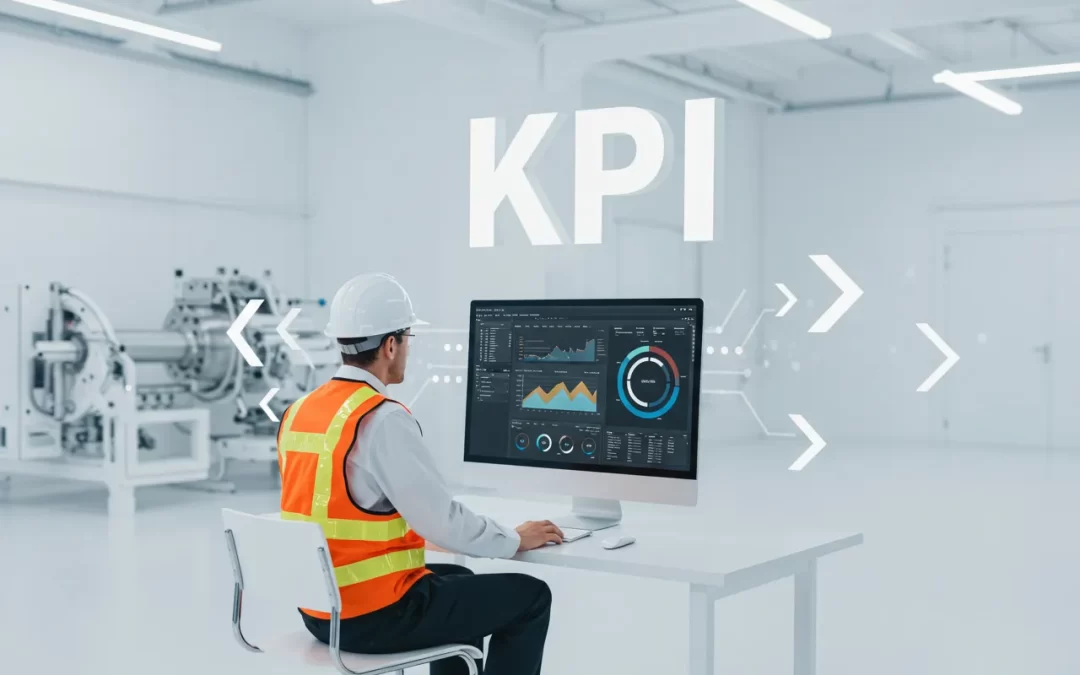
In the dynamic and challenging industrial landscape, efficient maintenance management is a fundamental pillar for business success. It’s not just about “fixing what breaks,” but about implementing a proactive strategy that ensures asset reliability, minimizes costs, and maximizes productivity. Maintenance indicators are the compass that guides us on this path, providing valuable information about the performance of our equipment, the effectiveness of our processes, and the efficiency of our human team.

In this comprehensive article, we will delve into the world of maintenance indicators, exploring in detail the different types, their critical importance, and how their effective implementation, supported by technological tools, can transform asset management in any industry.

The Strategic Importance of Maintenance Indicators

Maintenance indicators are much more than simple numbers; they are a reflection of the health of our operations and the basis for strategic decision-making. Their importance lies in their ability to:

Provide Visibility and Control: Maintenance indicators allow us to have a clear and precise view of the state of our assets, identifying potential problems before they turn into crises. This gives us the necessary control to take corrective actions in a timely manner.

Drive Continuous Improvement: By monitoring maintenance indicators over time, we can identify trends, evaluate the effectiveness of our actions, and make adjustments to continuously improve our processes and results.

Optimize Resource Allocation: Maintenance indicators help us prioritize maintenance tasks, allocate resources efficiently, and avoid wasting time and money on activities that do not generate value.

Reduce Costs and Maximize Profitability: By preventing failures, optimizing the consumption of spare parts, and extending the useful life of assets, maintenance indicators directly contribute to cost reduction and increased profitability.

Ensure Safety and Sustainability: Maintenance indicators allow us to ensure that equipment operates in safe conditions, minimizing the risk of accidents and contributing to environmental sustainability by optimizing the consumption of energy and resources.

Types of Maintenance Indicators: A Detailed Analysis

There is a wide variety of maintenance indicators that can be used, and the choice of the most appropriate ones will depend on the specific needs of each organization. Below, we will explain some of the most important ones, with practical examples of their application in different industries:

Mean Time Between Failures (MTBF):

Definition: MTBF measures the average time an asset operates without failing. It is a key indicator of the reliability of a piece of equipment or system.

Importance: A high MTBF indicates greater reliability, while a low MTBF suggests that the asset is prone to failures. MTBF is used to predict when a failure is likely to occur and to schedule preventive maintenance proactively.

Examples of Use:

Mining Industry: In a mine in Chile, the MTBF of haul trucks is a critical indicator. A low MTBF can mean production delays and higher maintenance costs. By monitoring MTBF and analyzing the causes of failures, the company can implement improvements in truck maintenance and operation.

Manufacturing Industry: In a food factory in Mexico, the MTBF of packaging lines is essential. Failures in these lines can stop production and generate significant losses. By using MTBF to identify the most critical equipment and schedule preventive maintenance, the company can minimize downtime and ensure timely delivery of products.

Energy Industry: In a power generation plant in Colombia, the MTBF of turbines is a key indicator. Turbine failures can interrupt the power supply and have a negative impact on the economy. By monitoring MTBF and performing predictive maintenance, the company can avoid catastrophic failures and ensure the reliability of the electricity supply.

Mean Time To Repair (MTTR):

Definition: MTTR measures the average time it takes to repair an asset after a failure. It is an indicator of the efficiency of the maintenance team and the availability of spare parts.

Importance: A low MTTR indicates greater efficiency in repair, while a high MTTR suggests that the repair process is slow or inefficient. MTTR is used to identify areas for improvement in the maintenance process and to optimize spare parts management.

Examples of Use:

Transportation Industry: In a public transportation company in Argentina, the MTTR of buses is an important indicator. A high MTTR can mean that buses are out of service for longer, affecting service availability and passenger satisfaction. By analyzing the causes of MTTR and improving repair processes, the company can reduce bus downtime and improve service quality.

Healthcare Industry: In a hospital in Brazil, the MTTR of medical equipment is crucial. Failures in this equipment can put patients’ lives at risk. By monitoring MTTR and ensuring the availability of spare parts and trained personnel, the hospital can minimize equipment downtime and provide quality medical care.

Oil and Gas Industry: On an oil platform in the Caribbean Sea, the MTTR of drilling equipment is a critical indicator. Failures in this equipment can stop production and generate significant economic losses. By using MTTR to identify bottlenecks in the repair process and improve spare parts logistics, the company can reduce equipment downtime and optimize production.

Asset Availability:

Definition: Asset availability measures the percentage of time an asset is available for operation. It is an indicator of the overall reliability of the asset and the impact of maintenance on production.

Importance: High availability indicates that the asset is functioning correctly and is available when needed, while low availability suggests that the asset is frequently out of service. Availability is used to evaluate the effectiveness of the maintenance strategy and to identify assets that require more attention.

Examples of Use:

Food and Beverage Industry: In a food processing plant in Peru, the availability of production lines is essential. Failures in these lines can stop production and generate significant losses. By monitoring availability and analyzing the causes of downtime, the company can implement improvements in line maintenance and operation.

Chemical Industry: In a chemical plant in Colombia, the availability of reactors is a key indicator. Reactor failures can interrupt production and create safety risks. By using availability to identify the most critical equipment and schedule preventive maintenance, the company can minimize downtime and ensure the safety of operations.

Automotive Industry: In an automotive assembly plant in Mexico, the availability of welding robots is crucial. Failures in these robots can stop production and affect the quality of vehicles. By monitoring availability and performing predictive maintenance, the company can avoid catastrophic failures and ensure production efficiency.

Maintenance Cost:

Definition: Maintenance cost measures the total cost of maintenance, including labor, spare parts, materials, and other related expenses.

Importance: Maintenance cost is a key indicator of the efficiency of maintenance management. A high maintenance cost may indicate that maintenance processes are inefficient or that assets are failing frequently. Maintenance cost is used to control maintenance expenses, optimize the budget, and evaluate the return on investment in maintenance.

Examples of Use:

Hospitality Industry: In a hotel chain in the Caribbean, the maintenance cost of facilities is an important indicator. A high maintenance cost can affect the profitability of the hotels. By analyzing the components of maintenance cost and looking for opportunities to reduce expenses, the chain can improve its efficiency and profitability.

Construction Industry: In a construction company in Brazil, the maintenance cost of heavy machinery is crucial. Failures in this machinery can delay projects and generate significant economic losses. By monitoring maintenance cost and optimizing spare parts management and preventive maintenance, the company can reduce expenses and improve project profitability.

Telecommunications Industry: In a telecommunications company in Argentina, the maintenance cost of the telecommunications network is a key indicator. Network failures can interrupt services and affect customer satisfaction. By using maintenance cost to identify areas where expenses can be reduced and efficiency improved, the company can optimize its operations and improve its profitability.

Preventive Maintenance (PM) Compliance:

Definition: Preventive maintenance compliance measures the percentage of preventive maintenance tasks that are completed on time.

Importance: Preventive maintenance is essential to prevent failures and extend the useful life of assets. High PM compliance indicates that preventive maintenance is being carried out effectively, while low compliance suggests that preventive maintenance is being neglected. PM compliance is used to ensure that preventive maintenance is performed in a timely manner and to identify areas where maintenance planning and scheduling processes can be improved.

Examples of Use:

Pharmaceutical Industry: In a pharmaceutical company in Colombia, PM compliance of production equipment is crucial. Failures in this equipment can affect the quality of medicines and put patients’ health at risk. By monitoring PM compliance and ensuring that maintenance tasks are performed on time, the company can ensure product quality and patient safety.

Aerospace Industry: In an aircraft maintenance company in Brazil, PM compliance of aircraft is essential. Failures in aircraft can have catastrophic consequences. By using PM compliance to ensure that maintenance is performed according to safety standards, the company can ensure flight safety and aircraft reliability.

Rail Transportation Industry: In a rail transportation company in Mexico, PM compliance of trains is a key indicator. Failures in trains can cause delays and accidents. By monitoring PM compliance and ensuring that maintenance is performed in a timely manner, the company can ensure passenger safety and service efficiency.

Maintenance Backlog:

Definition: Maintenance backlog measures the amount of pending maintenance work.

Importance: A high maintenance backlog may indicate that the maintenance team is overloaded with work or that maintenance planning and scheduling processes are inefficient. A low maintenance backlog suggests that the maintenance team is working efficiently and that maintenance tasks are being completed on time. The maintenance backlog is used to assess the workload of the maintenance team, identify the need for additional resources, and optimize maintenance planning and scheduling processes.

Examples of Use:

Utilities Industry: In a utilities company in Argentina, the maintenance backlog of the water distribution network is an important indicator. A high backlog may mean that water leaks are not being repaired on time, leading to water losses and affecting the quality of service. By monitoring the backlog and allocating the necessary resources to repair leaks, the company can reduce water losses and improve service quality.

Shopping Center Industry: In a shopping center in Colombia, the maintenance backlog of the facilities is crucial. A high backlog may mean that repairs and maintenance of the facilities are not being carried out on time, affecting the customer experience. By monitoring the backlog and prioritizing maintenance tasks, the shopping center can ensure the comfort and safety of customers.

Amusement Park Industry: In an amusement park in Mexico, the maintenance backlog of the attractions is a key indicator. A high backlog may mean that the attractions are not available to visitors, affecting customer satisfaction. By monitoring the backlog and scheduling maintenance efficiently, the amusement park can ensure the availability of attractions and visitor satisfaction.

Leaving Behind Paper and Spreadsheets: A Necessary Change

In the digital age, managing maintenance with paper and spreadsheets is an obsolete and inefficient practice. These tools have significant limitations that hinder the effective management of maintenance indicators and the optimization of the maintenance strategy.

Some of the main limitations of paper and spreadsheets are:

  • Inefficiency in Data Collection and Analysis: Collecting and analyzing data on paper and spreadsheets are manual processes that consume a lot of time and effort.
  • Propensity to Errors: Manual data entry is prone to human errors, which can affect the accuracy of maintenance indicators and decision-making.
  • Lack of Visibility and Control: Paper and spreadsheets make it difficult to visualize maintenance indicators and identify trends and potential problems.
  • Difficulty in Collaboration: Paper and spreadsheets hinder collaboration between different members of the maintenance team and other departments of the organization.
  • Lack of Integration: Paper and spreadsheets do not integrate with other business systems, making it difficult to exchange information and automate processes.

The Transformative Role of Software like HxGN EAM

Effective management of maintenance indicators requires a powerful tool that allows data to be collected, analyzed, and visualized efficiently. EAM (Enterprise Asset Management) software like HxGN EAM is the ideal solution.

Conclusion: The Future of Maintenance

Maintenance indicators are essential tools for optimizing asset management and ensuring the efficiency and profitability of operations. Their effective implementation, supported by EAM software like HxGN EAM, allows companies to:

  • Improve Asset Reliability: By preventing failures and optimizing maintenance, companies can increase the availability and reliability of their assets.
  • Reduce Maintenance Costs: By optimizing the consumption of spare parts, minimizing unplanned downtime, and extending the useful life of assets, companies can significantly reduce maintenance costs.
  • Increase Productivity: By ensuring that assets are available and functioning correctly, companies can increase the productivity and efficiency of their operations.
  • Improve Safety: By identifying and correcting potential problems before they become failures, companies can reduce the risk of accidents and ensure the safety of their employees and customers.
  • Contribute to Sustainability: By optimizing energy and resource consumption and reducing waste generation, companies can minimize their environmental impact and contribute to the planet’s sustainability.
  • Drive Innovation: By providing valuable information about asset performance and maintenance effectiveness, maintenance indicators can help companies identify opportunities for innovation and continuous improvement.
  • Ensure Competitiveness: In an increasingly competitive global market, efficient maintenance management is a key factor for business success. By implementing maintenance indicators and EAM software, companies can optimize their operations, reduce costs, and improve their competitiveness.

Are you ready to take your maintenance management to the next level? Contact us today to discover how HxGN EAM and other innovative technologies can help you optimize your operations, reduce costs, and improve your competitiveness!

RMC-Xpansivo Congress 2024: A Key Event for Maintenance and Reliability Professionals

RMC-Xpansivo Congress 2024: A Key Event for Maintenance and Reliability Professionals

RMC-Xpansivo Congress 2024

The RMC-Xpansivo Congress, to be held in Dorado, Puerto Rico, on October 29th and 30th, 2024, is shaping up to be the most important event in the Americas in the field of Maintenance and Reliability. Organized by PdM Tech and Visual K

RMC-Xpansivo Congress 2024: A Key Event for Maintenance and Reliability Professionals

The RMC-Xpansivo Congress, to be held in Dorado, Puerto Rico, on October 29th and 30th, 2024, is shaping up to be the most important event in the Americas in the field of Maintenance and Reliability. Organized by PdM Tech and Visual K, this congress brings together experts and industry leaders to share strategies, ideas, and innovative solutions to tackle current challenges in maintenance management.

The main objective of the event is to provide attendees with a deep understanding of asset management, reliability engineering, and condition-based maintenance. Participants will learn how to implement optimized maintenance plans, explore the role of human reliability in asset management, and receive hands-on training from a wide range of experts.

Who is it for?

This event is specifically designed for directors, managers, supervisors, and leaders in reliability, facilities, plants, project engineering, maintenance, production, and planning. If you are part of these sectors, you will find an ideal space to share ideas and solve common problems with other professionals.

Topics and Sessions

Topics of maintenance and reliability will be addressed. There will be keynote speeches and sessions on failure analysis, maintenance optimization, and strategic asset planning, among others. Practical workshops on equipment alignment, data analysis, and maintenance planning will also be held.

Benefits for Attendees

What will you get by attending? In addition to a digital certificate and a reliability kit, you will enjoy coffee breaks, lunches, and a Meet & Greet networking event. This congress is recognized by CIAPR, allowing you to accumulate technical hours for your professional development.

Registration and Prices

Registrations are open, and a special Early-Bird rate of $995 is offered until June 30th. After this date, the regular price will be $1250. This cost includes full access to all keynotes, sessions, and workshops, representing a significant investment in the professional development of attendees.

Why Should You Attend?

Attending the RMC-Xpansivo Congress 2024 is an excellent way to stay up-to-date with the latest trends and practices in maintenance and reliability. Not only will you learn from the best in the field, but you will also have the opportunity to network with other professionals, share experiences, and find solutions to the challenges you face in your day-to-day work.

Conclusion

The RMC-Xpansivo Congress 2024 is much more than a training event. It is a platform for professional growth, innovation, and collaboration. Don’t miss this opportunity to improve your skills and knowledge, and take your maintenance and reliability operations to the next level.

Information and Registration here: https://rmc-xpansivo.com/