
Move Beyond Reactive Maintenance with Asset Performance
Stop reacting to failures. Use predictive maintenance with APM (Asset Performance Management) to analyze data in real-time, anticipate risks, and enhance the performance of your assets.

Preventive Maintenance Is No Longer Enough
Many organizations still operate without a predictive maintenance strategy or APM software, relying only on calendar-based maintenance.
Current Challenges:
Business Impact:
What is APM software?
APM (Asset Performance Management) is an advanced predictive maintenance strategy that uses analytics, condition data, and risk models to anticipate failures and optimize asset management.
Capabilities
How APM Works in Your Operation
APM uses information from your maintenance software (even Octave, SAP or Maximo EAM), to identify risks and failure modes, protect the asset, and generate actions that ensure your critical asset continues performing its function.
APM software analyzes data → the EAM executes
Condition Data Capture
Predictive Analysis
Risk and Failure Identification
Recommendation Generation
Automatic Execution in EAM
Connect analytical intelligence with operational execution in a single workflow
Benefits and Results of Implementing Predictive Maintenance with APM
Up to
35%
greater asset availability
Up to
20%
fewer unexpected failures
Less unnecessary maintenance through predictive analytics
Greater reliability and operational continuity
Decisions based on real-time data
See the True Condition of Your Assets
Visualize in real-time the information generated by your predictive maintenance software
Asset Health Dashboard
Real-time Anomaly Detection
Automatic Recommendations
Risk and Criticality Models
Turn data into actionable decisions.
Strenghten Your EAM with Predictive Analytics
APM uses data from your Enterprise Asset Management (EAM) system to identify risks, protect critical assets, and generate actions that support operational continuity.
APM = Analytical Intelligence
EAM = Operational Execution
From Technology to Measurable Results with VisualK
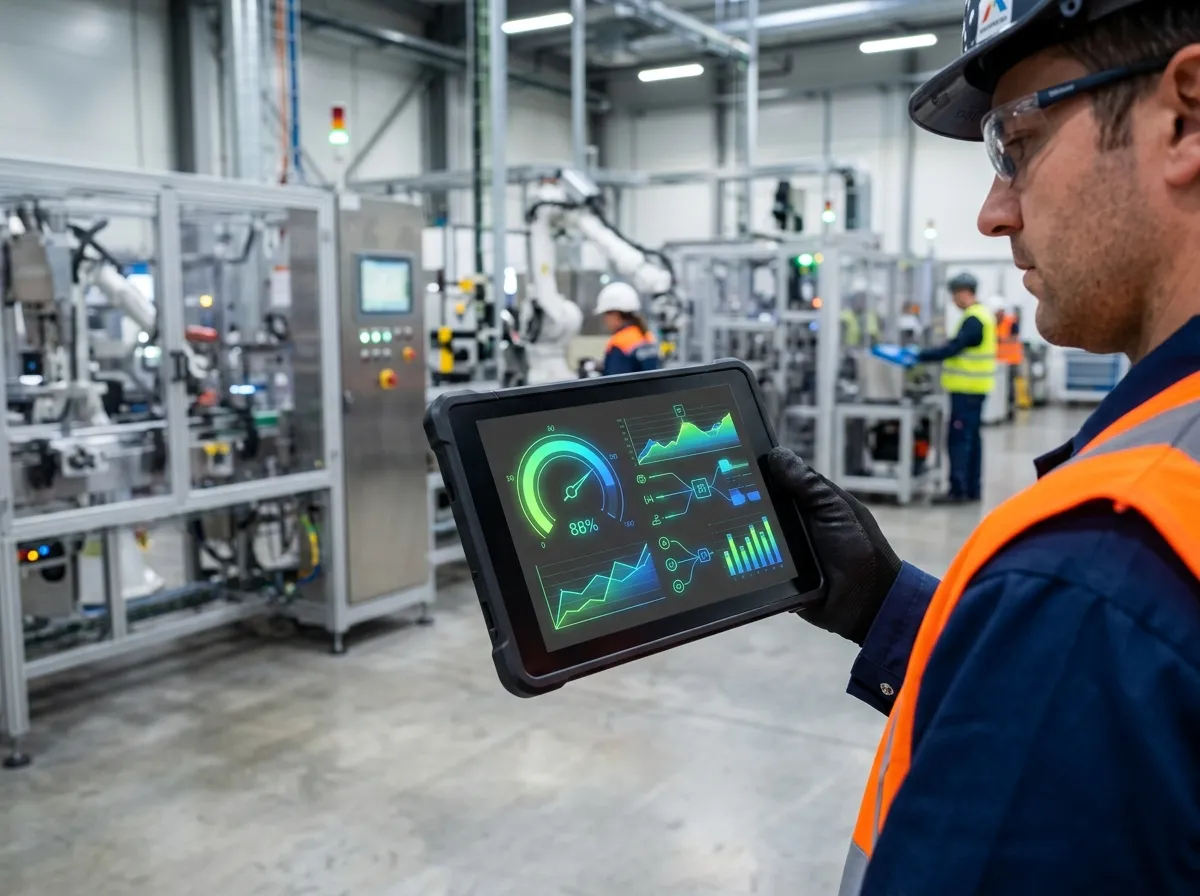
Implementing APM is not just about technology. It is about ensuring the solution generates value from the start.
VisualK guides you through the full process, from strategy definition to adoption, aligning the solution with your processes, data, and business objectives.
How We Drive Results
Assessment and Value Definition
We evaluate the state of your assets, data, and processes to identify concrete opportunities for impact.
Implementation and Integration
We configure the solution and integrate it with your ecosystem (EAM, ERP, IoT), ensuring reliable data and continuous operation.
Adoption and Continuous Optimization
We support your team to ensure effective adoption and sustainable results.
The Outcome
From Scattered Data → Reliable Insight
From Reactive Decisions → Data-Driven Decisions
From Technological Investment → Measurable Business Value
Resources to Explore APM
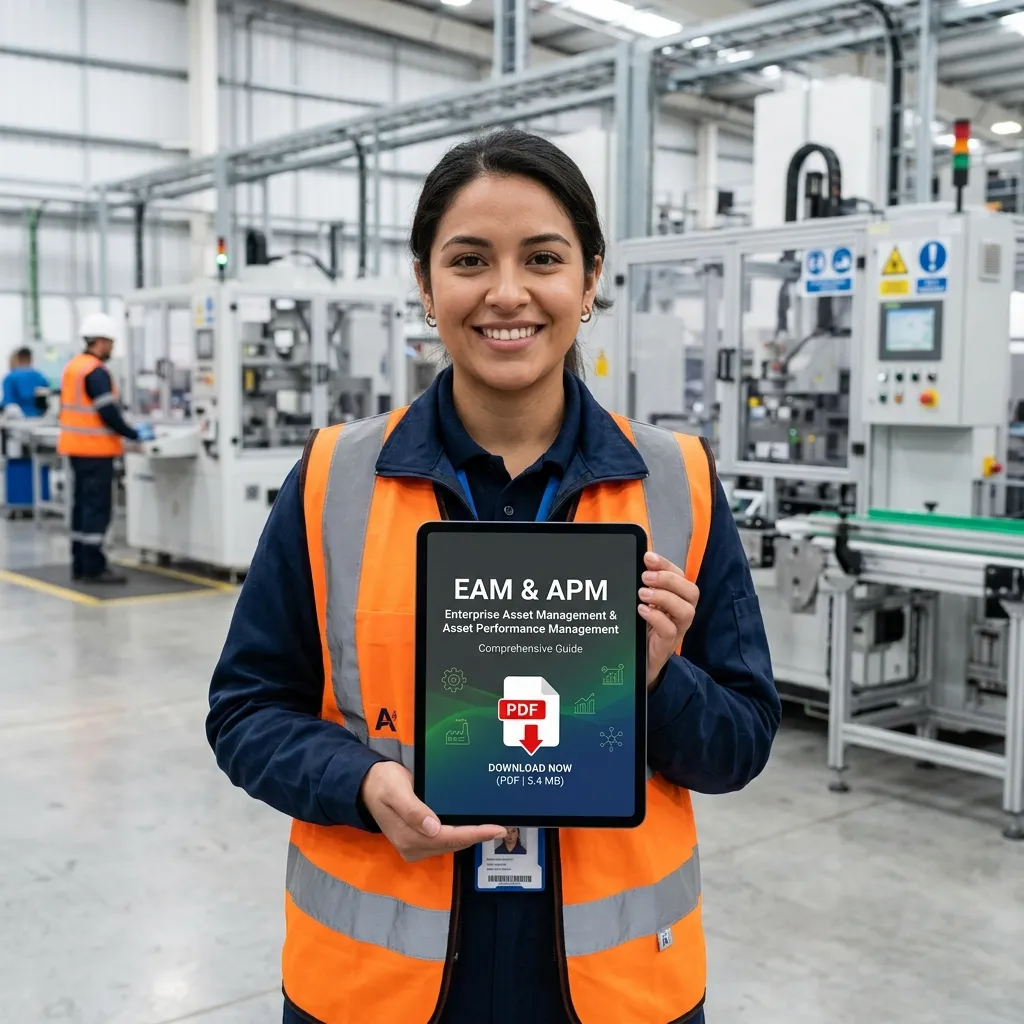
Operationalize asset performance management to drive full financial impact
Explore technical capabilities and functionalities.
Download Brochure
Octave Asset Risk Analyzer
A free solution to analyze failure risk and benchmark asset performance
Download Guide
EAM + APM: From Analysis to Maintenance Execution
Visualize how to connect analytical intelligence with operations
View Infographic
FAQ – APM
Start Anticipating Failures Today
Transform your maintenance strategy with predictive maintenance (APM) and maximize the reliability of your assets.